
Step 1: Choose a niche and a customer
A general home store is hard to start: too many products and no reason for visitors to remember you. A niche gives you a clear story and a customer you can describe: a home cook replacing worn tools, a family that loves hosting, a renter furnishing a first flat.
A good niche is specific enough to stand out and broad enough to grow. Examples from a wholesale homeware range:
- Kitchen tools for everyday cooks: practical, easy to explain and ideal as add-ons.
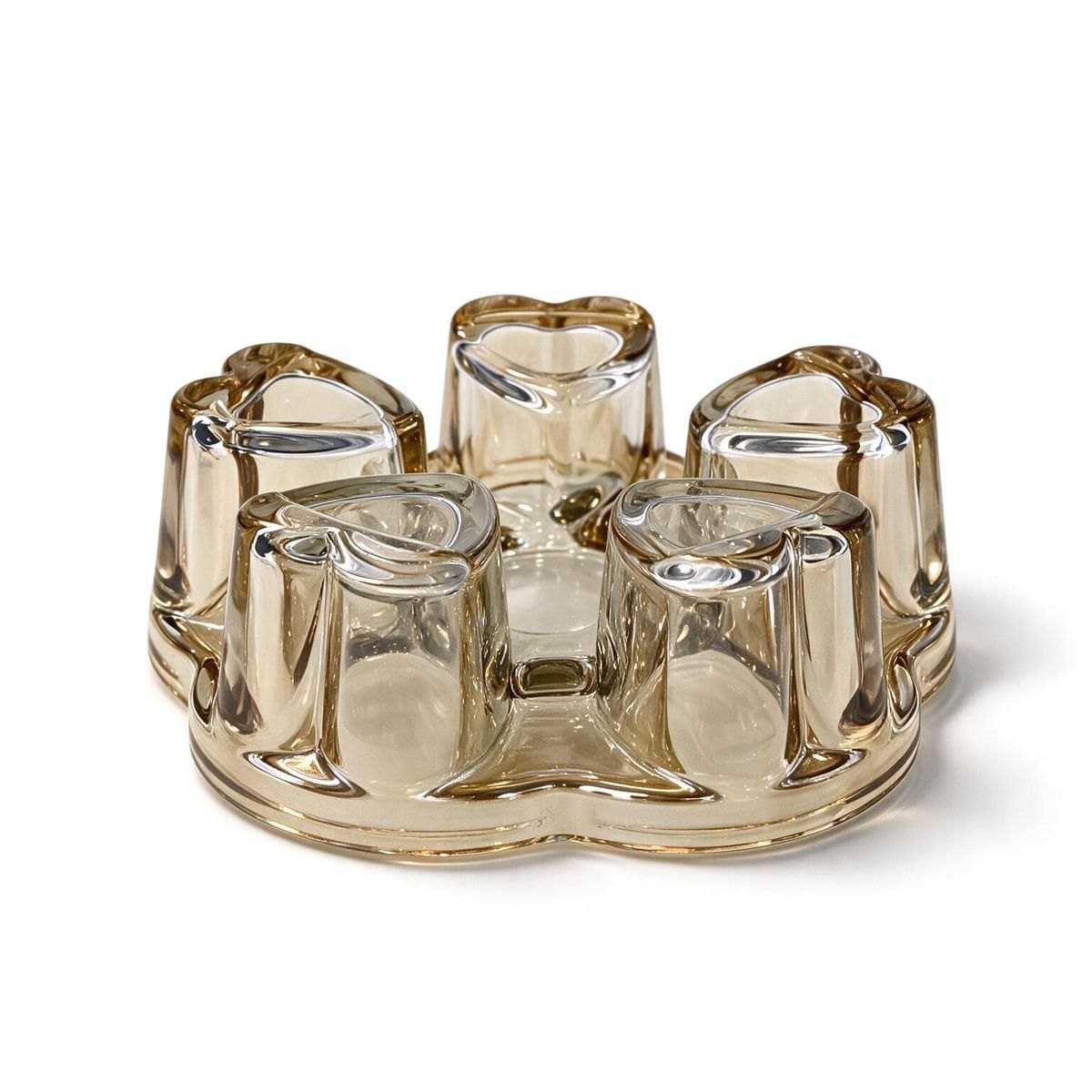
- Coffee and tea sets for hosting: often bought as gifts and for festive seasons.
- Home decor such as wall panels for customers restyling a whole room.
- Artificial plants for greenery without the care, and less fragile to ship than glass.
Step 2: Set up the business basics
In most cases your webshop must be a registered business before you sell, and trade-only wholesalers ask for your company details and a valid VAT number. Purchases between VAT-registered businesses in different EU countries are usually invoiced with reverse charge; ask your accountant what that means for you.
The rules differ per country and legal form, so check the details with your chamber of commerce and accountant. The usual first steps:
- Register your business and choose a legal form.
- Get a VAT number.
- Open a separate business bank account and keep every purchase invoice.
- Check the rules for selling online to consumers, such as returns and required shop information.
Step 3: Choose a supply model and a small first range
There are two main ways to stock a homeware webshop: buy wholesale and ship orders yourself, or use dropshipping, where a supplier ships straight to your customer and you hold no stock. Each balances cash, control and delivery speed differently; we compare them in dropshipping or wholesale.
Whichever you choose, start small: a few dozen well-presented products are easier to manage, explain and photograph than hundreds of loose items. A few rules:
- Stay within one theme, so every product makes sense next to the others.
- Mix a few eye-catchers with practical items that are easy to add to an order.
- Buy test quantities, such as one carton per item, before you commit to more.
- Check the units per carton, so you know how much stock you take on.
Step 4: Create your own product content
In homeware, the product page does the selling: customers cannot touch a teapot or feel the weight of a pan, so they rely on your photos and words. Take your own photos in daylight, from several angles, with something for scale and at least one shot in use. Original photos and descriptions also set you apart from other sellers.
Write for your customer, not for a search engine. A clear page answers questions before they are asked:
- Exact dimensions and capacity, measured yourself where possible.
- Material and care, for example whether an item is dishwasher-safe.
- What is included: the pieces in a set, lids, saucers or fixings.
Step 5: Pack, ship, launch and reorder
Glass, porcelain and ceramics are fragile, and a broken item costs you the product, the shipping and often the customer. Wrap each piece separately, fill every gap, use a sturdy box with padding on all sides and send a few test parcels before launch. Mark parcels as fragile, but pack as if nobody will read the label.
Then launch with your small range and let sales decide what comes next. A simple routine for the first months:
- Check sales and stock weekly, and reorder before a popular item runs out.
- Read every return reason and question, then improve the product page or the packing.
- Drop what does not sell, and add new products in small test quantities.
Where does Aleesar Group fit?
Aleesar Group is a trade-only wholesale importer of household products, with its headquarters, showroom and warehouse in Utrecht, the Netherlands. It sells only to businesses with a valid VAT number, online shops included. Browse hundreds of products, then register as a partner: a person reviews every application and you get an answer within one business day. Once validated, you log in to see wholesale prices and order online.
Dropshipping is coming soon; online sellers can join the early-access list. What a new webshop gets today:
- Ordering per carton with no minimum order value; a minimum quantity may apply to some items.
- Delivery to every EU country within 48 hours from the warehouse in the Netherlands, as tracked parcels.
- Kitchenware, drinkware, tableware, home decor and more, including Aleesar's own brands LEUMX®, KHMRAH® and REFMONT®.
- A catalogue in English, Dutch, German and Arabic.