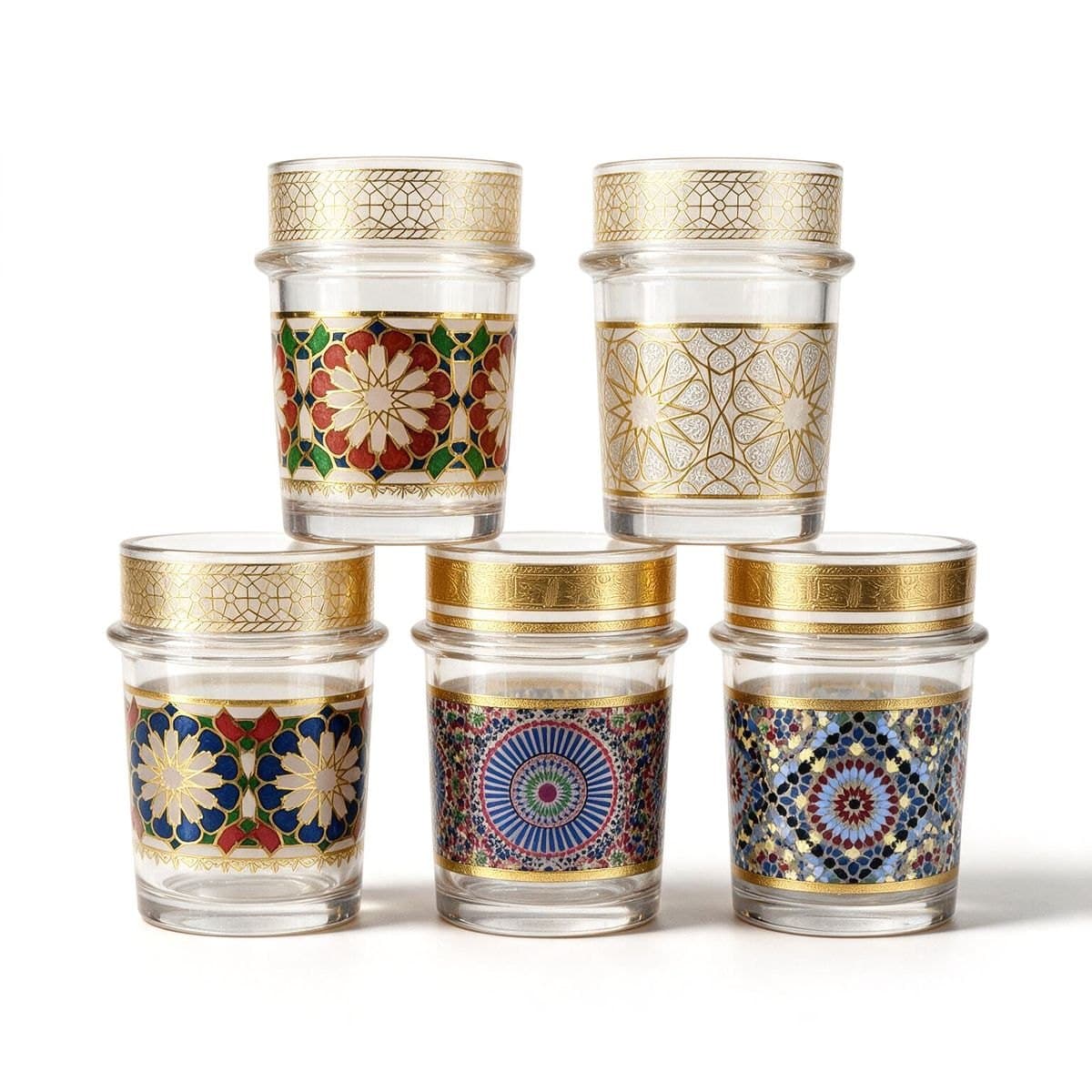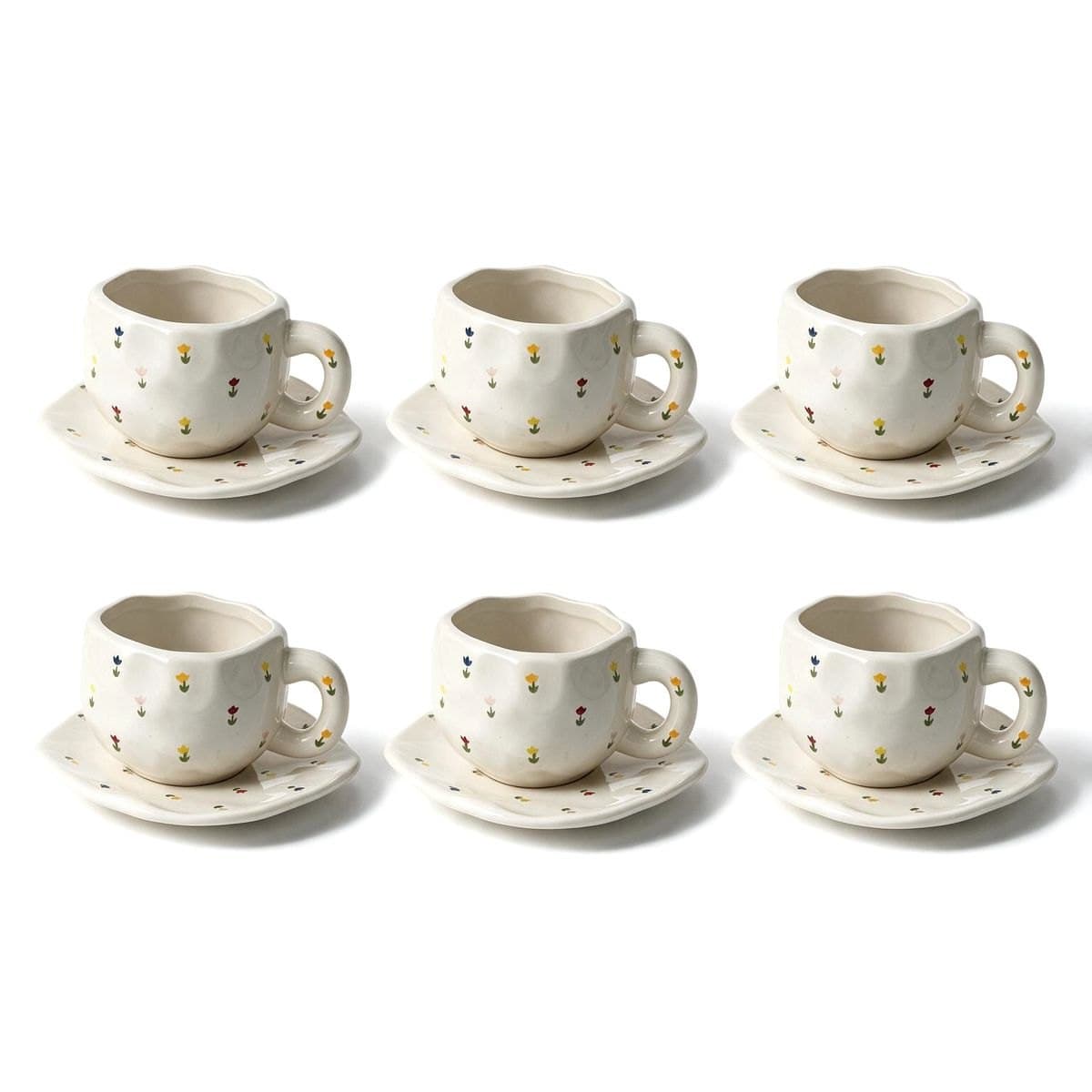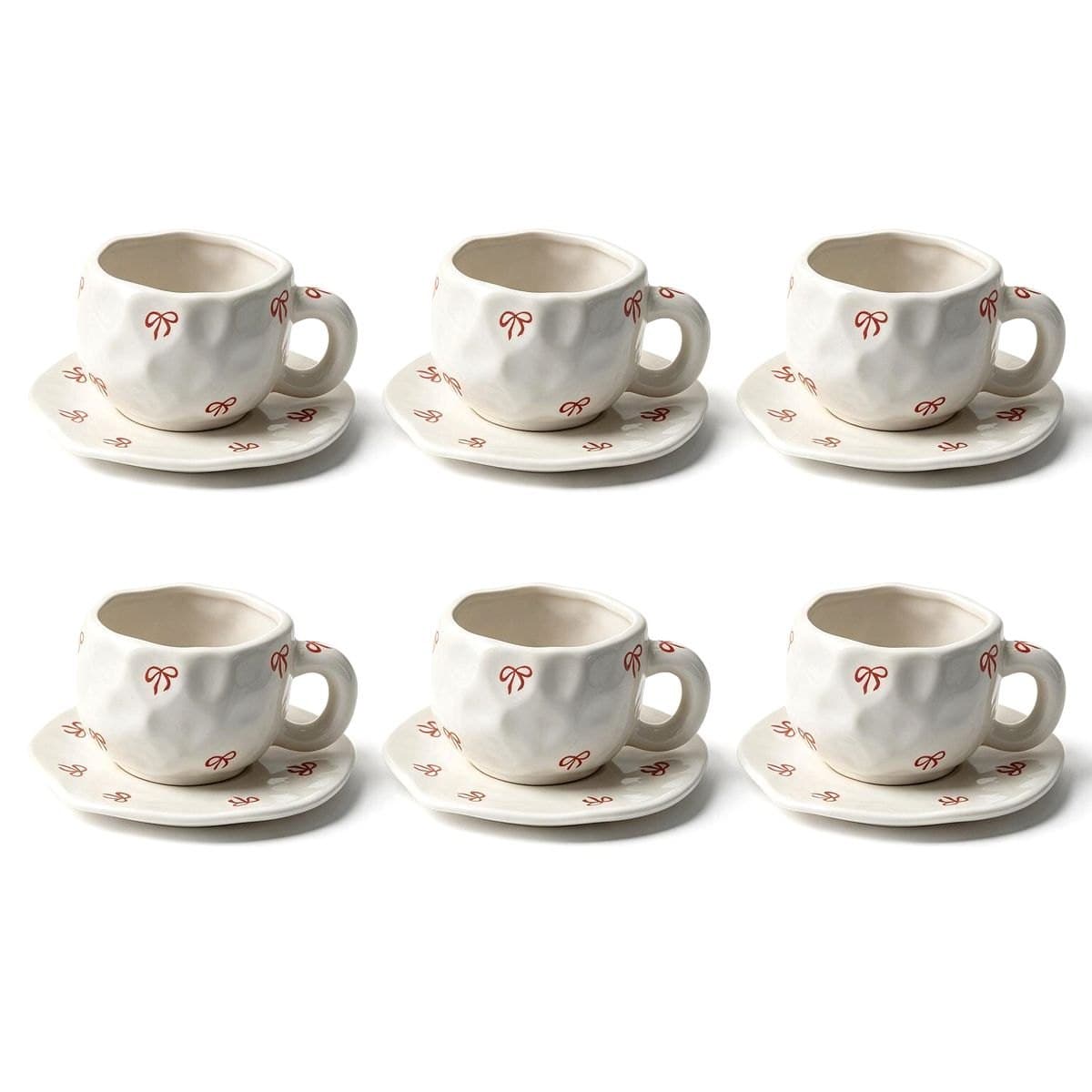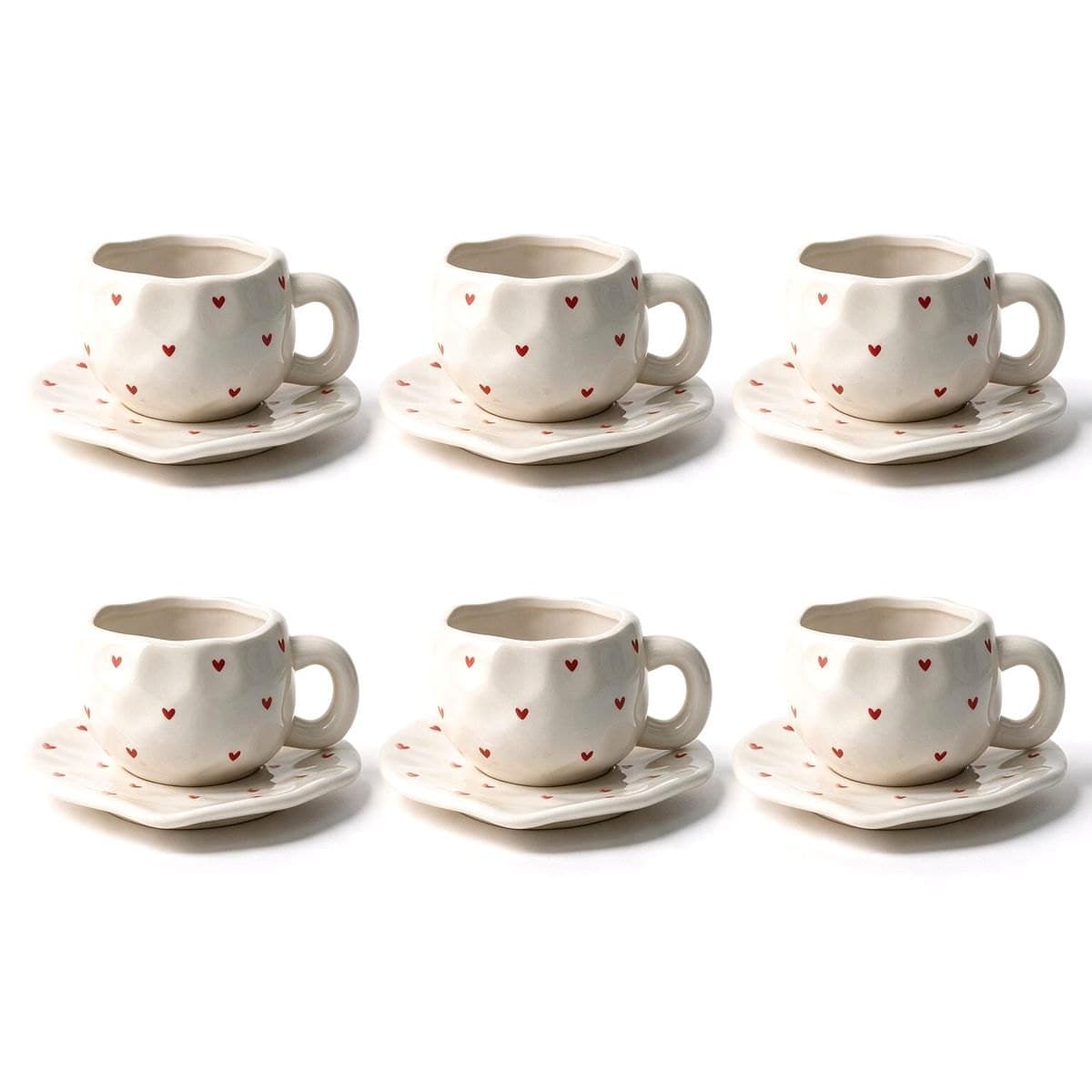

How do you start small and test products?
A new webshop rarely knows in advance which products will sell. Buying a pallet of one item is a bet; buying a carton is a test. At Aleesar there is no minimum order value: you order per carton, from a single carton up to a full container, although a minimum quantity may apply to some items. So spread your first order across several products and back the winners later.
- Keep the first order small and mixed: a few cartons across two or three categories you want to test.
- Give every product a fair chance: a complete listing and enough time online before you judge it.
- Measure each product: views, sales and returns show you what to reorder.
Which homeware products work well when you sell online?
Choosing the product is half the job; the other half is getting it to your customer intact and at a sensible shipping cost. Size, weight and fragility decide your parcel format, your packing material and how often something breaks.
That does not mean avoiding fragile items. Glassware and porcelain can sell well online, but they need careful packing when you ship to consumers. Robust items such as kitchen tools or textiles are easier to send while you build your packing routine.
- Size: compact products fit standard parcel formats; bulky items quickly push you into a more expensive shipping class.
- Weight: heavy cookware or appliances cost more to ship, so check that your selling price leaves room for postage.
- Fragility: glass, porcelain and ceramics need inner boxes, padding and a strong outer box.
What should you read on a wholesale product page?
Read a product page as a buyer, not as a fan. Aleesar's product pages show photos and packing details, including units per carton and, where available, carton data. Together they tell you how many pieces you are buying, how much storage space you need and how the product will travel.
Many webshops photograph the stock themselves when it arrives, to show their customers scale and detail. If you want to use a supplier's own product photos in your listings, ask that supplier first whether this is allowed.
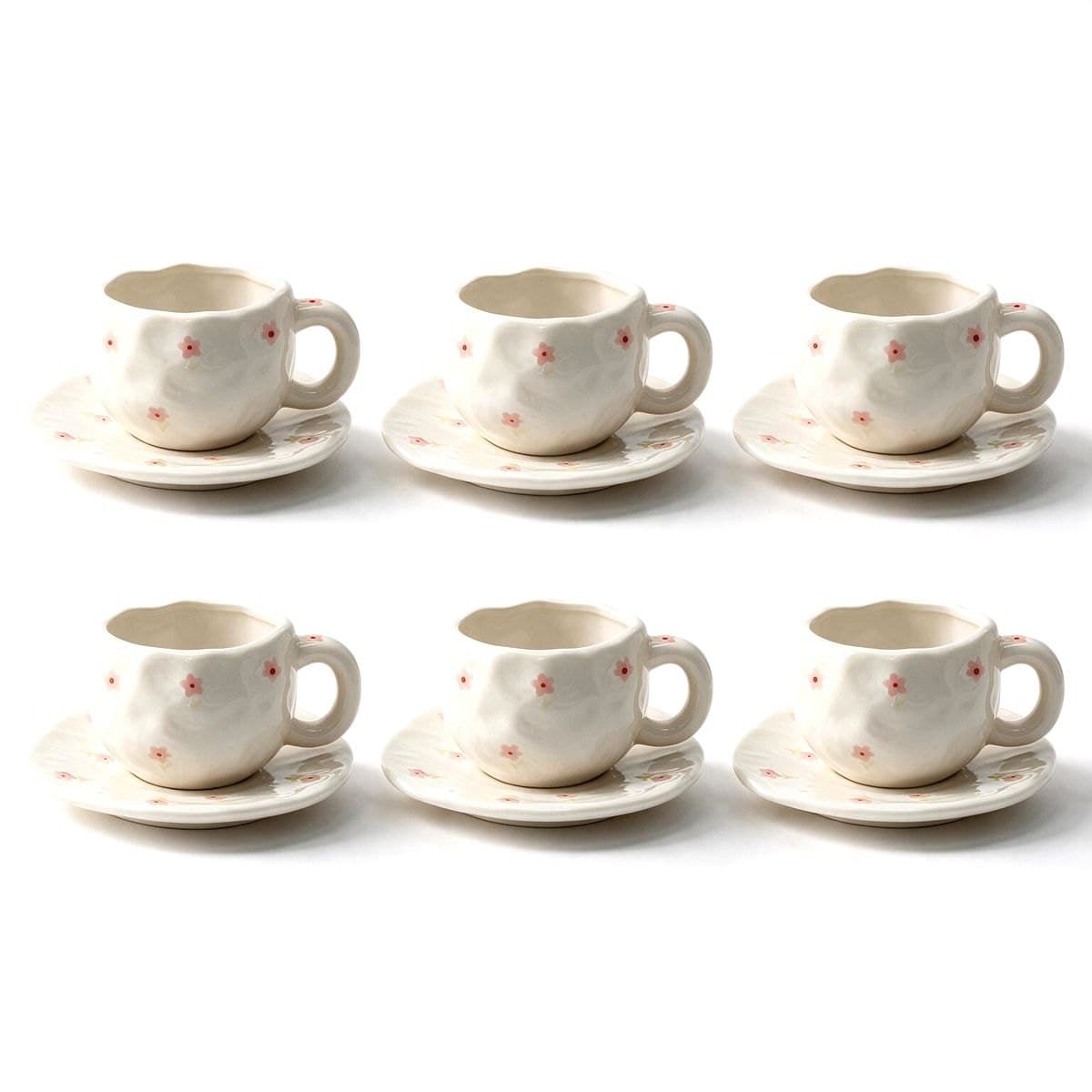
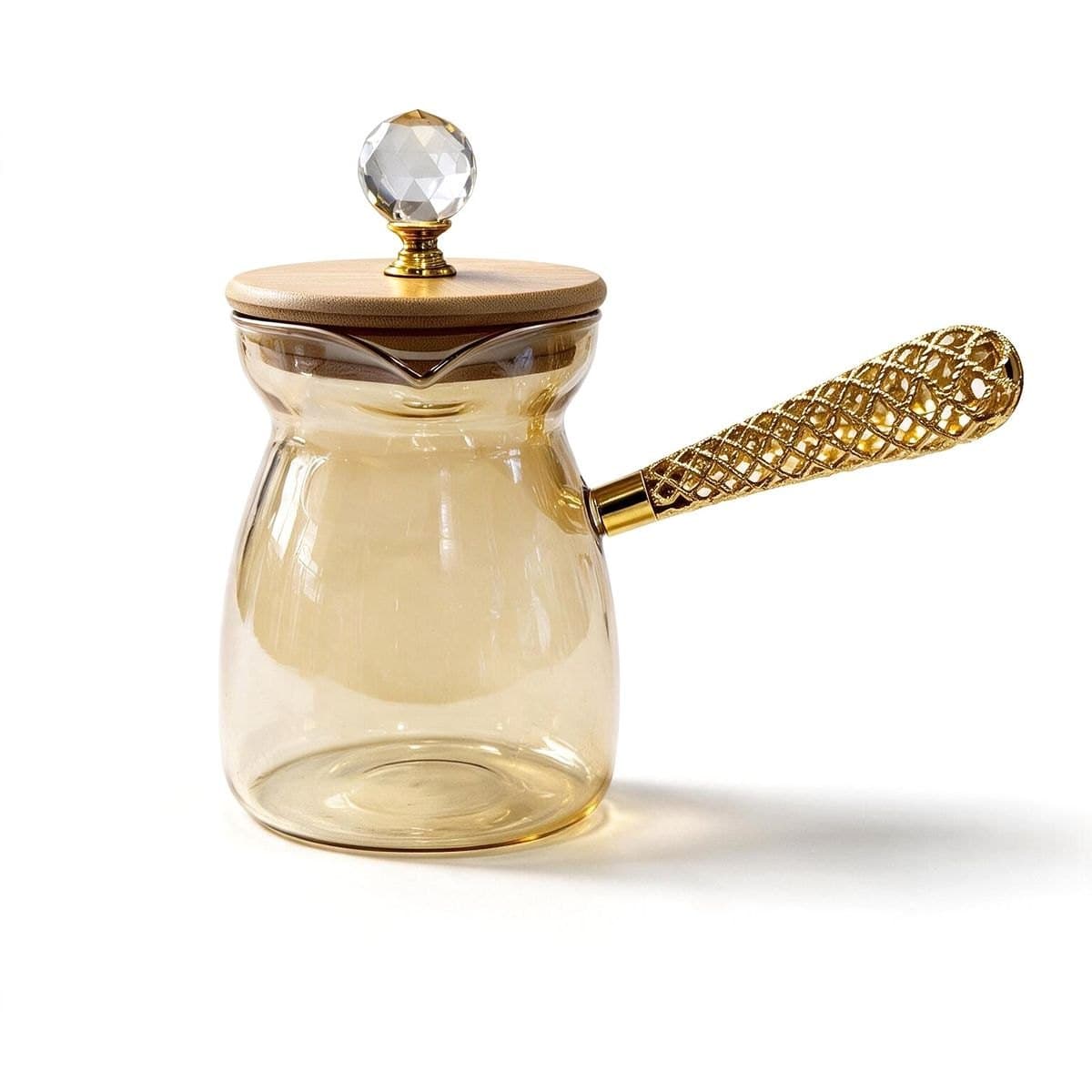
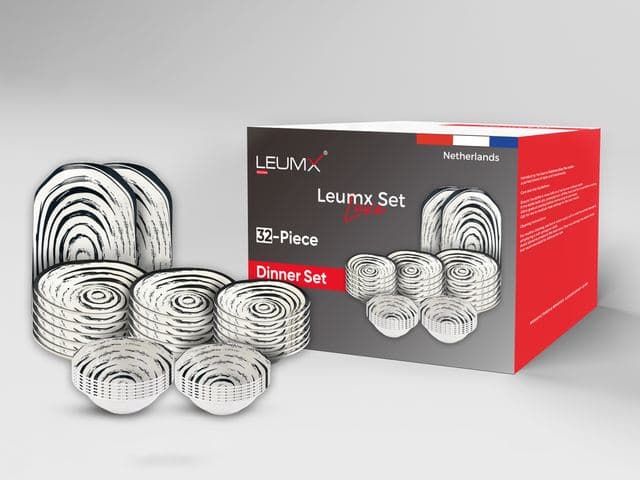
- Photos: check material, finish and colour, and exactly what a set includes.
- Units per carton: you order by the carton, so first work out how many pieces you are actually buying.
- Carton data: dimensions and weight, where available, help you plan storage and onward shipping.
How do you plan reorders and avoid dead stock?
Dead stock is the quiet cost of a webshop: products that sit on the shelf, tie up cash and take space from items that sell. The answer is to buy in step with your sales. Because Aleesar delivers from its Dutch warehouse to every EU country within 48 hours, you can keep a lean buffer and reorder per carton more often.
- Know your sell-through: how many units of each product you sell per week or month.
- Set a reorder point: reorder when stock drops to what you sell during the delivery time, plus a buffer.
- Act on slow movers early: bundle them, feature them or stop reordering before they become dead stock.
What will a wholesaler ask from you, and how does your stock arrive?
A trade-only wholesaler sells only to businesses, so expect to share your company details and a valid VAT number before you see any prices; consumers cannot order.
On invoicing: intra-EU B2B supplies to a buyer with a valid VAT number are usually invoiced without Dutch VAT under the reverse-charge mechanism, with the buyer accounting for VAT in their own country; buyers in the Netherlands pay Dutch VAT. Check the details with your accountant. More background: wholesale homeware in the Netherlands.
- What you usually provide: company name, address, a contact person and your VAT number.
- Delivery at Aleesar: from its Dutch warehouse to every EU country within 48 hours, as tracked parcels.
- Larger orders: as your volumes grow, stock ships as pallets or full truckloads; for volume orders, contact the sales team.
How do you buy stock for your online shop from Aleesar Group?
Aleesar Group B.V. is a trade-only wholesale importer of household products with its headquarters, showroom and warehouse in Utrecht. It supplies online shops, retailers, wholesalers, distributors and the hospitality sector with hundreds of products, from kitchenware and drinkware to tableware and home decor. Trade buyers can visit the showroom by appointment.
The full process is described under how ordering works; in short, three steps:
- Register: request access with your company details and VAT number.
- Review: a person reviews every application, and you get an answer within one business day.
- Log in and order: once your account is validated, you see wholesale prices per piece excluding VAT, with tier pricing for larger quantities, and order per carton.