
When does it make sense to move from cartons to pallets?
Most shops start per carton: low risk, a wide range and quick restocking while they test products. Once items sell reliably week after week, buying carton by carton means more orders, deliveries and handling for the same goods.
Pallets suit businesses that move volume: retail chains, distributors, wholesalers, discount stores, market traders and exporters. A full truckload is a whole trailer for your order — typically up to 33 Euro pallets on a standard semi-trailer. Consider the step up when several of these apply:
- You reorder the same products every few weeks and they keep selling.
- Your customers or branches regularly ask for more than you hold in stock.
- Delivery and handling costs weigh heavily on small, frequent orders.
- You have a promotion, a store opening or a seasonal peak to supply.
Mixed pallet or single-product pallet: what is the difference?
A single-product pallet carries one item in full, even layers: stable, quick to count and efficient to store and transport. It suits proven bestsellers, promotions and buyers who resell in bulk.
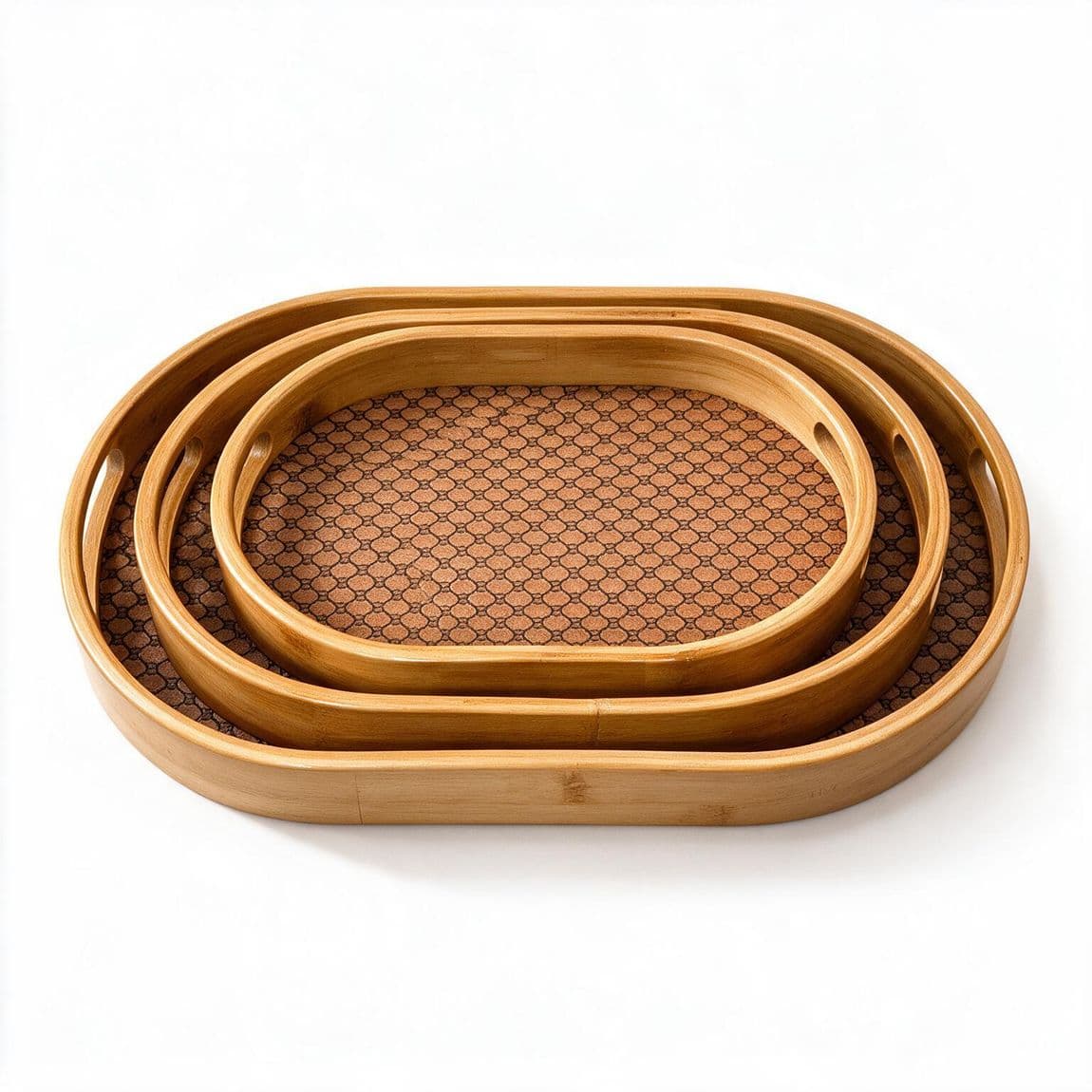
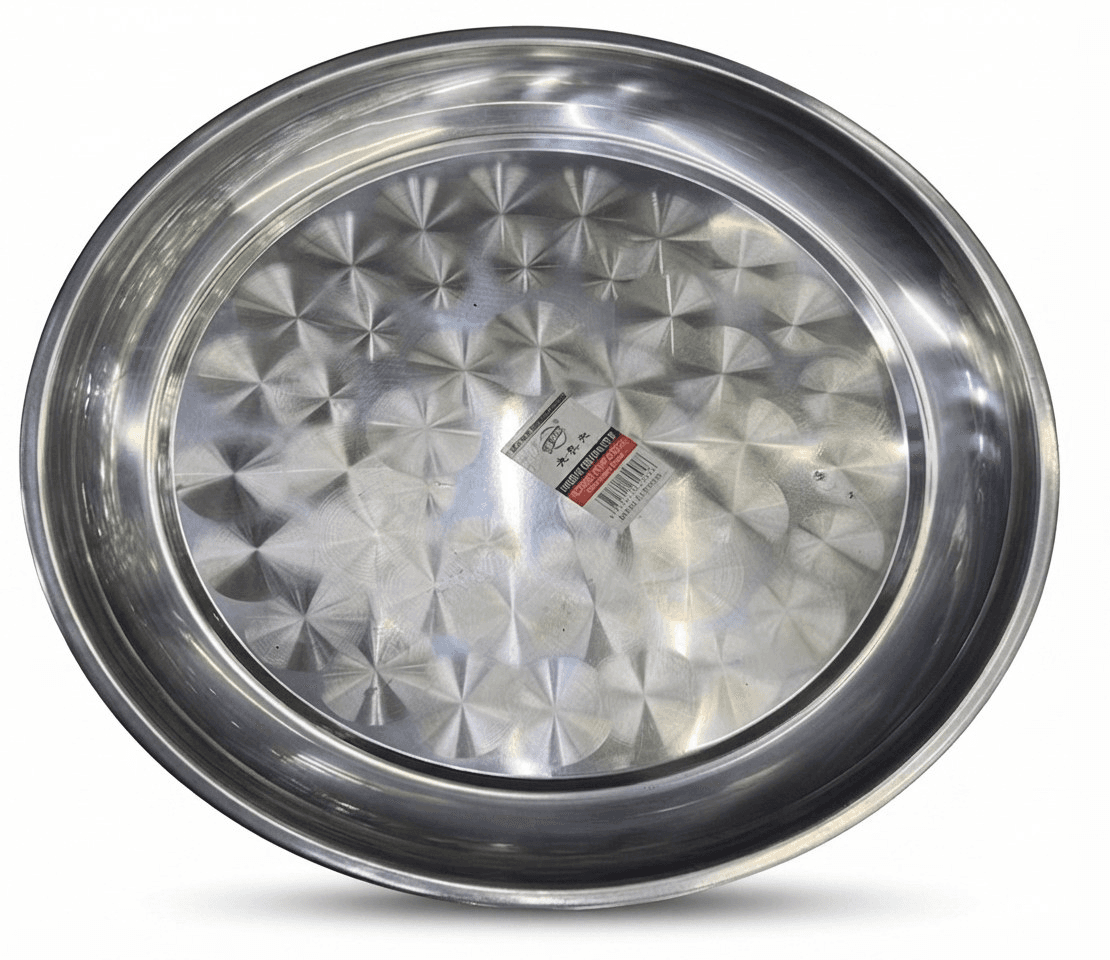
A mixed pallet combines several products, such as trays, cookware and food storage, so you can fill shelves or test a range in one delivery. It needs careful building: heavy cartons at the bottom, glass and porcelain on top, every carton labelled.
How do you plan the right volume?
The right pallet sells before it ties up your money or space for too long. Ask yourself:
- Sell-through: how many units do you sell per month, and how many weeks of stock does one pallet give you?
- Storage: do you have free pallet positions or floor space, plus room to receive and break down the pallet?
- Cash flow: how long will the stock tie up your budget, and does that fit your payment terms?
- Seasonality: Ramadan and Eid, Christmas or back-to-school can sharply raise demand, so order early enough to have stock before the peak.
What should you check before ordering by the pallet?
Agree on these points with your supplier before you confirm the order:
- Carton size and units per carton, so you know exactly how many pieces you receive.
- Pallet layout: cartons per layer, layers, total height and weight, and whether cartons may be stacked.
- Delivery address: a loading dock, or a truck with a tail-lift if you have none, and access for a large vehicle.
- Unloading: who unloads, what equipment is needed (at least a pallet truck) and who checks the goods on arrival.
- Invoicing: the correct company name and VAT number. B2B supplies to a valid VAT number in another EU country are usually invoiced with reverse charge — check with your accountant.
How does Aleesar Group handle volume orders?
As a bulk homeware supplier in Europe, Aleesar Group sells only to businesses with a valid VAT number. You order per carton, with no minimum order value, up to a full container from stock in the Netherlands; a minimum quantity may apply to some items. Delivery reaches every EU country within 48 hours, and larger orders ship as pallets or full truckloads.
Prices are not public. Once you register as a partner — a person reviews every application and answers within one business day — you see wholesale prices per piece excluding VAT, with tier pricing for larger quantities.
For pallets and truckloads, contact the sales team with the products, quantities, delivery address and VAT number. They tell you which items, such as trays or kitchenware, are available in volume now and send a quotation valid for 14 days.
Even larger or custom volume? Import directly from China
Need more than is in stock, or products made to your specification? Aleesar Solutions arranges direct import from China: factory search and comparison, samples and pre-shipment inspection, private label, customs clearance in Rotterdam or Antwerp, storage in the Dutch warehouse and door-to-door delivery.
The freight options include full (FCL) or shared (LCL) containers, rail freight and air freight for urgent orders; sea freight typically takes around 35 days to Rotterdam or Antwerp. Aleesar also works with partners in China, Dubai, Turkey and Egypt and, through them, can export from Dubai. Comparing both routes? See China or a European wholesaler.